
General fiber characteristics
| Properties | Polypropylene | Nylons | Polyester | Styrenics | Natural Vegetable Fibers |
|---|---|---|---|---|---|
| Abrasion resistance | G | E | E | P | P |
| Flex life | E | E | E | P | P |
| Bend recovery | G | E | E | P | P |
| Resistance to taking a set | F | G | G | E | G |
| General solvent resistance | G | G | G | P | G |
| Flicking action (springiness) | G | E | E | E | G |
| Retention of stiffness in water | E | G-P | E | E | G-F |
Brush Filament Facts
-
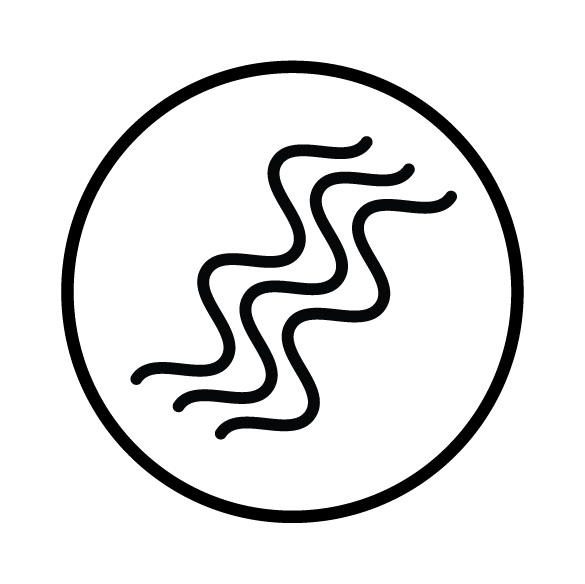
Crimped Filament
Crimped filaments will produce a wider brush flare. The crimp will close the gap around an object.
-

Straight Filament
Straight filaments will open the gap around an object. These are often used for brush seals.
-
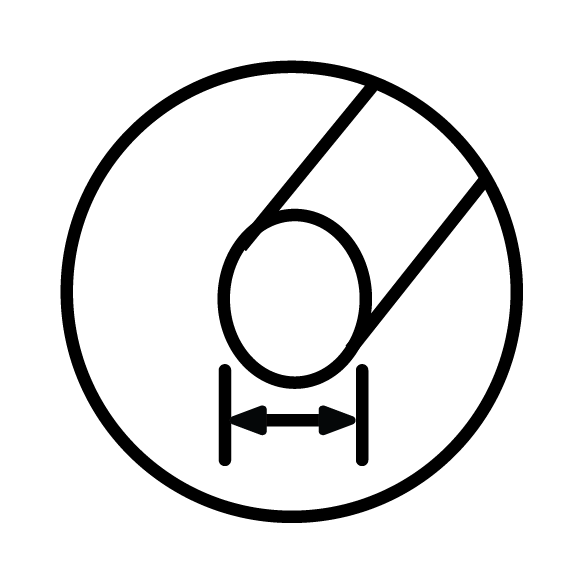
Filament Diameter
If you double the diameter of the filament, you increase the stiffness by 4 times.
-

Filament Length
If you double the length of the filament, you decrease the stiffness by 12 times.
-

Brush Wear
The stiffer the brush, the faster it will wear. The higher applied load, the faster the brush will wear.
-

Brush Life
For the longest brush life, a brush should be no stiffer than necessary to do the job.
-

Filament Identification
To identify nylon from polypropylene, place filament sample in water. Polypropylene floats and nylon sinks.
-
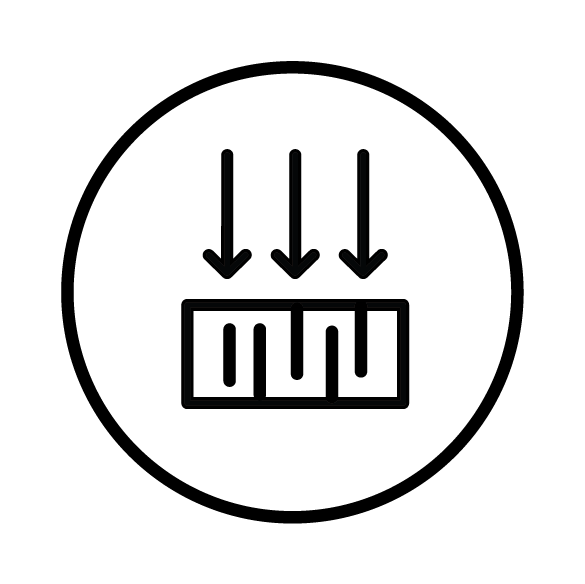
Wire Brush Pressure
A wire brush works on its tips, the brush should be operated at the highest practical speed with the lightest possible pressure. Excessive pressure will cause flexing of the wire and premature breakage.
Synthetic Brush Filament Properties
| Properties | Polypropylene | Nylon 6.0, 6.6, 6.12 | Polyester | Polystyrene |
|---|---|---|---|---|
| Dilute acids | E | G-P | G | G |
| Dilute alkalis | E | E | G | G |
| Alcohols, vegetable oils | E | G | E | P |
| Gasoline, petroleum, distillates | G | E | E | P |
| Turpentine | G | E | E | P |
| Benzine, aromatic hydrocarbons | F-G | E | E | P |
| Acetone, ketones | E | G | E | P |
| Ethyl acetate, esters | G | G-E | E | P |
| Trichloroethylene, chlorinated hydrocarbons | F-G | G-E | G-F | P |
| Prolonged exposure to hot water | F-G | G | G-F | G |
| Resistance to sunlight | F | G | G | G |
| Properties | Polypropylene | Nylon 6.0 | Nylon 6.6 | Nylon 6.12 | Polyester | Polystyrene |
|---|---|---|---|---|---|---|
| Specific gravity (g/cc) | 0.90 | 1.14 | 1.14 | 1.06 | 1.32 | 1.05 |
| Tensile strength (PSI)x1000 | 40-80 | 40-60 | 50-70 | 40-50 | 40 | 15 |
| Stiffness modules (PSI)x1000 | 400 | 350 | 500 | 450 | 350 | 450 |
| Typical ovality (D2/D1) | 1.3-1.5 | 1.05-1.2 | 1.05-1.2 | 1.05-1.2 | 1.05-1.6 | 1.05 |
| Water Absorption (%) | 0.03 | 10 | 9 | 3 | 0.33 | 0.03 |
| Softening Point (°F) | 240 | 300 | 300 | 300 | 300 | 200 |
| Melting Point (°F) | 320 | 420 | 495 | 410 | 430 | 215 |
Nylon
Nylon 6.0 is a synthetic polymer with good bend recovery, abrasion resistance, and chemical resistance.
Nylon 6.6 has better bend recovery and wet stiffness. High heat deflection temperature.
Nylon 6.12 is the highest-quality nylon with excellent bend recovery.
-
Nylon filaments have a high tensile strength, making them durable and capable of withstanding mechanical stress. This property is crucial for brushes, as it ensures longevity and effectiveness in cleaning or scrubbing applications.
-
Nylon is known for its excellent abrasion resistance. This property is essential for brush filaments, as they are exposed to friction and wear during use. The filaments can maintain their integrity and continue to perform effectively over time.
-
Nylon filaments are relatively flexible, allowing them to bend and conform to different surfaces. This flexibility is advantageous in brush applications where the filaments need to adapt to irregularities and contours for efficient cleaning.
-
Nylon exhibits good resistance to many chemicals, oils, and solvents. This property is beneficial in brushes that may come into contact with various cleaning agents or substances, as it helps prevent degradation of the filaments.
-
Nylon has a tendency to absorb water, which can affect its mechanical properties. However, in brush applications, the water absorption may be considered an advantage as it can help the filaments become softer and more pliable during use.
-
Nylon has a relatively high melting point, providing good heat resistance. This property is essential for brushes that may be exposed to elevated temperatures during certain cleaning processes.
-
Nylon filaments are lightweight, contributing to the overall weight of the brush. This characteristic is advantageous for ease of use and handling.
-
Nylon has moderate resistance to ultraviolet (UV) radiation, but prolonged exposure to sunlight may lead to degradation. In applications where brushes are used outdoors, UV resistance may be a consideration.
Polypropylene
Polypropylene is a synthetic polymer used in the manufacturing of brush filaments and is generally a cost-effective material, making brushes with polypropylene filaments affordable and widely accessible.
-
Polypropylene filaments are durable and can withstand repeated use without significant degradation in performance.
-
Polypropylene is resistant to abrasion, making it suitable for brushes that need to withstand repeated use without significant wear and tear.
-
Polypropylene filaments are known for their stiffness, providing good scrubbing and cleaning capabilities.
They are often flexible, allowing the brush to conform to different surfaces and contours.
-
Polypropylene is generally resistant to many chemicals, making it suitable for use in brushes that may come into contact with various cleaning agents and solvents.
-
Polypropylene repels water. This property makes it suitable for applications where water resistance is important, and the material won't easily absorb moisture.
-
Polypropylene has good heat resistance, allowing brushes made from this material to be used in applications where they may be exposed to elevated temperatures.
-
Polypropylene is a lightweight material, contributing to the overall lightness of the brush. This can be advantageous for user comfort and ease of handling.
Polyester
Polyester filaments can be manufactured with various diameters, lengths, and textures, making them versatile for different brush applications. This allows for customization based on the specific requirements of the task at hand. Polyester is also a cost-effective material, which contributes to the affordability of brushes with polyester filaments.
-
Polyester filaments are known for their durability, making them suitable for brushes that need to withstand regular use and tough conditions. They are resistant to abrasion and can maintain their integrity over time.
-
Nylon 6.0 is known for its excellent abrasion resistance. This property is essential for brush filaments, as they are exposed to friction and wear during use. The filaments can maintain their integrity and continue to perform effectively over time.
-
Polyester filaments can be engineered to maintain their shape well, providing the brush with good stiffness and resilience. This property is crucial for achieving consistent performance and effective brushing.
-
Polyester is generally resistant to many chemicals, making brushes with polyester filaments suitable for use with a variety of cleaning agents or paints. This property helps prevent the filaments from breaking down or degrading when exposed to different substances.
-
Polyester has low water absorption. This property helps prevent the filaments from becoming soft or distorted when exposed to moisture. Polyester filament brushes ideal for applications where water resistance is important, such as painting or cleaning tasks involving liquids.
-
Polyester filaments have a good level of heat resistance, allowing brushes to be used in applications that involve heat, such as painting with hot liquids or cleaning in high-temperature environments.
Abrasive Nylon
Abrasive nylon filaments are designed to provide a combination of flexibility and abrasiveness. The filaments are usually embedded with abrasive materials such as silicone carbide, aluminum oxide, ceramic, or diamond.
-
Abrasive nylon filaments are durable and resistant to wear, ensuring a longer lifespan for the brush. This makes them suitable for demanding applications where brushes are subjected to frequent use.
-
The abrasive nylon filaments come in different grit sizes, allowing for a range of aggressiveness in terms of abrasion. This makes it possible to select the appropriate brush for different levels of cleaning or surface preparation.
-
Despite containing abrasive particles, abrasive nylon filaments maintain a degree of flexibility. This flexibility allows the brush to adapt to different surfaces and contours, making it effective in various applications.
-
These filaments often exhibit resistance to certain chemicals, which is beneficial when the brush is used in environments where exposure to chemicals is expected.
-
Depending on the application, abrasive nylon brushes can be used in wet or dry conditions. This versatility makes them suitable for a wide range of industries and processes.
-
Depending on the specific formulation, abrasive nylon filaments can withstand a range of temperatures. This property is important for applications where the brush is exposed to high temperatures during use or cleaning processes.
Natural Brush Filament Properties
Tampico
Tampico fibers are derived from the agave plant, specifically the Agave lechuguilla, which is native to Mexico. The sustainable nature of agave plants makes Tampico filaments an environmentally friendly choice.
-
Tampico bristles are known for their resilience and durability. They can withstand repeated use and maintain their shape over time, even in the presence of moisture.
-
Abrasion resistance of tampico filaments can be influenced by factors such as the processing of the fibers, the density of the brush bristles, and the specific conditions under which the brush is used. It's important to note that while tampico fibers are durable, there may be synthetic alternatives with enhanced abrasion resistance, depending on the specific requirements of the application.
-
Tampico fibers are relatively stiff and have a coarse texture. They are not as soft as some synthetic fibers or animal hairs used in brushes.
-
Tampico fibers are resistant to chemicals, which makes them suitable for use in brushes that may come into contact with various cleaning agents or liquids.
-
Tampico filaments have good water absorbency, making them suitable for applications where liquid retention is important. This property is often valued in cleaning brushes.
-
Tampico filaments generally have good heat resistance, making them suitable for applications where brushes may be exposed to high temperatures or heat sources.
Horse Hair
The quality and properties of horsehair can vary based on the specific breed of horse and the part of the mane or tail from which the hair is obtained. This variability allows for different types of brushes with varying characteristics.
-
Horsehair is relatively durable, providing a good balance between softness and longevity. Brushes with horsehair bristles can withstand repeated use and maintain their effectiveness over time.
-
Horsehair filaments are known for their softness, making them suitable for applications where a gentle touch is required. This property is particularly valued in paintbrushes for delicate painting tasks. Horsehair, being a natural material, may not have the same level of abrasion resistance as some synthetic alternatives, like nylon or polyester bristles.
-
The flexibility of horsehair allows the brush to conform to different surfaces and contours, making it useful for tasks that require precision and control.
-
Horsehair is organic in nature, composed primarily of proteins (keratin). It is susceptible to damage or degradation when exposed to certain chemicals, such as strong acids or bases, bleach, and solvents. Prolonged exposure to these substances can lead to a breakdown of the hair fibers, resulting in a loss of bristle integrity and overall brush effectiveness.
-
Horsehair can absorb and hold liquids to some extent. This property is important in paintbrushes where the brush needs to hold and release paint evenly.
-
Horsehair is generally heat-resistant, which can be an advantage in applications where brushes may come into contact with heat, such as certain painting techniques.
Wire Brush Filament Properties
High Carbon Steel
Due to their strength and resistance to wear and tear, brushes with steel wire filaments generally have a longer lifespan compared to brushes made from less durable materials. Steel is also a good conductor of electricity. While this property may not be crucial for all brush applications, it can be relevant in certain industrial or specialized settings.
-
Steel is known for its high tensile strength, making it resilient and durable. This strength allows the brush to withstand significant pressure and abrasive forces during use without deforming easily.
-
Steel wire filaments are highly resistant to abrasion, making them crucial for tasks that involve scrubbing, cleaning, or other abrasive actions.
-
Steel wire filaments provide stiffness to the brush, allowing it to effectively remove dirt, grime, or other materials from surfaces. While steel is stiff, the filaments can be designed with some degree of flexibility, allowing the brush to conform to the shape of surfaces and reach into corners or crevices.
-
While high carbon steel is susceptible to corrosion compared to stainless steel, it still offers reasonable resistance to rust and corrosion, especially when properly coated or maintained. However, in environments with high moisture or chemical exposure, additional protective measures may be necessary.
-
High carbon steel can withstand moderate temperatures without significant degradation, making it suitable for applications where heat may be generated during use, such as in power tools or industrial cleaning equipment.
-
High carbon steel is relatively economical compared to some other materials like stainless steel, which makes it a popular choice for manufacturing brushes, especially for applications where frequent replacement may be necessary.
Stainless Steel
Type 304 is highly resistant to corrosion and higher temperatures. Often effective in contamination areas and after-rust areas.
Type 316 is superior for high corrosion resistance and more effective in highly contaminated applications.
-
Stainless steel wire filaments are strong and durable, offering good mechanical properties such as tensile strength and hardness. This makes them capable of withstanding repeated use and abrasion without breaking or deforming easily.
-
Steel wire filaments are resistant to abrasion, making them suitable for tasks that involve scrubbing, cleaning, or other abrasive actions.
-
Stainless steel wire filaments can be manufactured in various diameters and configurations, offering flexibility in design and application. They can be formed into different shapes and sizes to suit specific brush requirements.
-
Stainless steel is known for its excellent resistance to corrosion and rust, making it suitable for use in environments where exposure to moisture or chemicals is common.
-
Stainless steel can withstand a wide range of temperatures without significant degradation, making it suitable for use in both high-temperature and low-temperature applications.
-
Stainless steel has hygienic properties, as it is non-porous and easy to clean. This makes it suitable for applications where cleanliness and sanitation are important, such as in food processing or medical environments.
Brass Wire
Non-ferrous and softer wire compared to steel or stainless steel. Effective for reducing heavy static in a concentrated area.
-
Brass wire has good tensile strength, allowing it to withstand bending and deformation during brushing without breaking easily.
-
Brass wire filaments exhibit good resistance to abrasion, making them suitable for tasks that involve scrubbing or cleaning surfaces without wearing out quickly.
-
Brass wire is relatively flexible, which allows it to conform to irregular surfaces and reach into tight spaces during brushing operations.
-
Brass is known for its resistance to corrosion, making it suitable for use in environments where exposure to moisture or chemicals is a concern.
-
Brass is a moderately good conductor of electricity, which can be beneficial in applications where static electricity needs to be dissipated or where electrical conductivity is required.
Brass is also non-sparking, making it suitable for use in environments where the generation of sparks could be hazardous, such as in explosive atmospheres.
-
Brass has relatively high thermal conductivity, which can be advantageous in applications where heat dissipation is important.
-
Brass is often more affordable compared to other metals like stainless steel, while still offering a good balance of properties for many brush applications.
Phosphorous Bronze
Non-ferrous wire. Better temper than brass with non-corrosive properties.
-
Phosphorous bronze has excellent tensile strength, making it suitable for applications where durability and resilience are required.
-
Phosphorous bronze wire filaments have good resistance to abrasion, ensuring longevity and effectiveness in abrasive environments.
-
This material retains its springiness even after repeated use, making it ideal for brushes where flexibility and resilience are necessary.
-
Phosphor bronze exhibits good resistance to corrosion, which is particularly important in applications where the brush may be exposed to moisture or other corrosive elements.
-
Phosphorous bronze is a good conductor of electricity, which makes it suitable for applications where electrical conductivity is required, such as in electrical contact brushes.
-
Phosphorous bronze is ductile, allowing it to be formed into various shapes and sizes without losing its structural integrity.
-
Phosphorous bronze is non-magnetic, which can be advantageous in certain applications where magnetic interference is a concern.
Connect with an expert
Whether you know exactly what you need or are looking for consultation, our dedicated experts are here to help.